Urban transformation
Vision
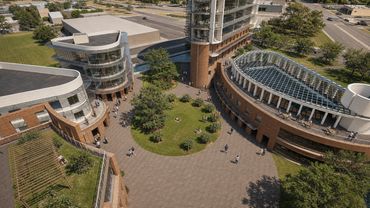
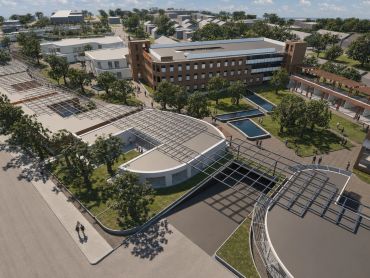
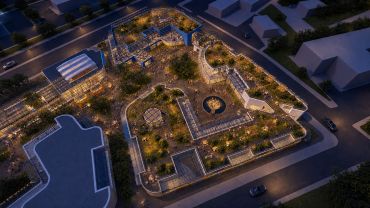
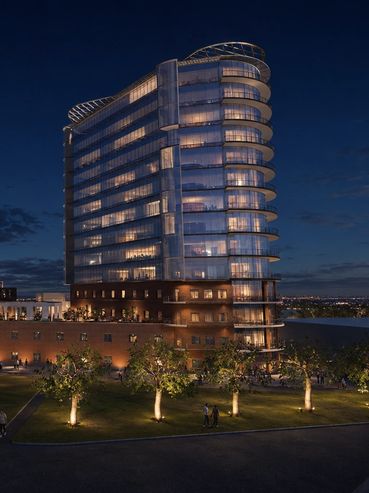
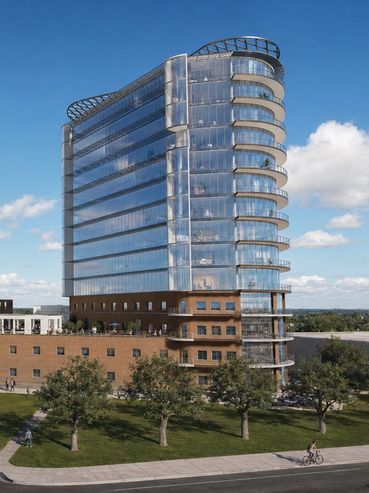
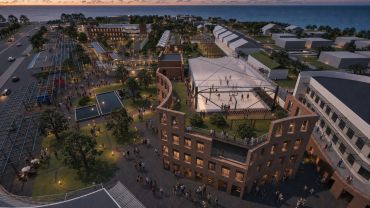
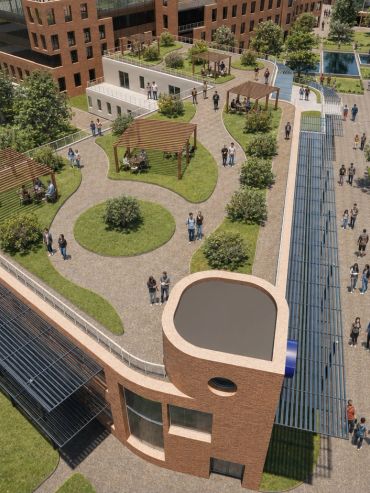
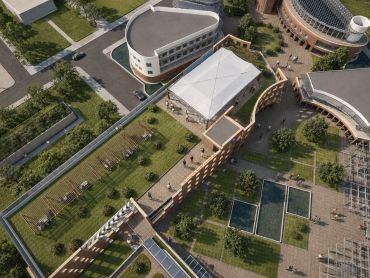
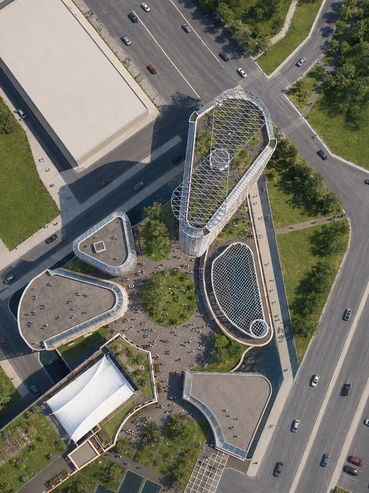
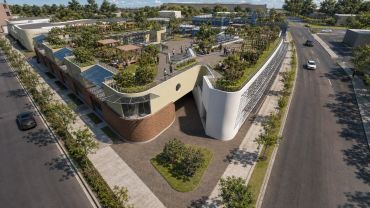
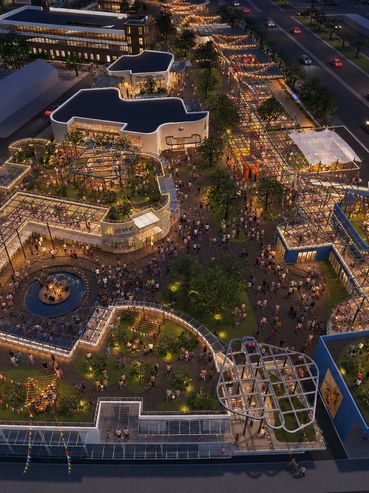
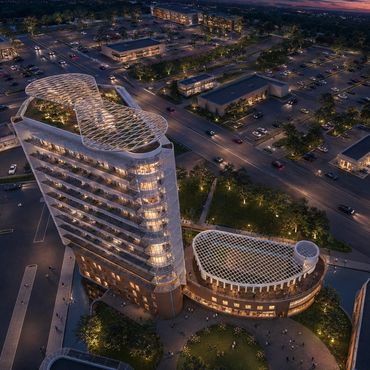
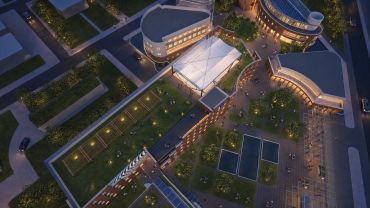
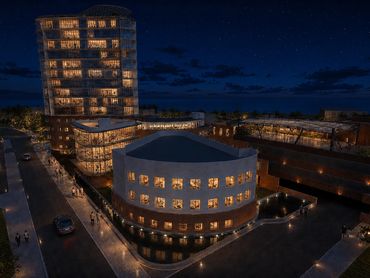
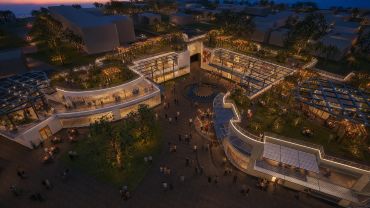
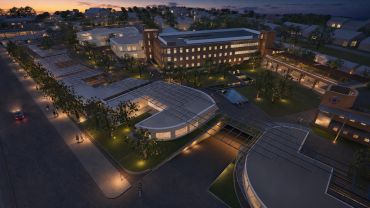
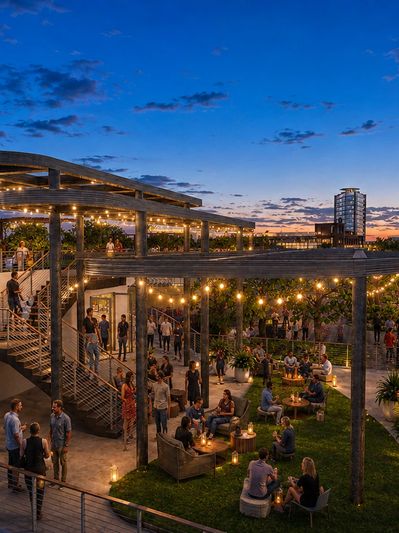
The convenience and accessibility of the original model are preserved, while the experience is reorganized around people rather than parking. A continuous pedestrian landscape connects a series of smaller buildings, shaded courtyards, gardens, and outdoor gathering spaces. Multiple cross-connections make the development porous, linking the commercial corridor with surrounding neighborhoods rather than operating as an isolated retail island.
Concept
The objective is not to disguise a strip mall with new architecture. It is to preserve what already works—visibility, convenience, accessibility, and the ability to evolve incrementally—while introducing the public realm, educational opportunity, programmatic diversity, local identity, and human experience the traditional model lacks.
The goal is not simply a better shopping center, but a more complete and adaptable piece of the city.
The concept draws from the idea that successful open-air retail environments combine food, fashion, practicality, experience, and careful curation.